Material Guide · 7 min read
Ceramic vs Semi-Metallic Brake Pads: Which Formula to Stock
2026-08-20
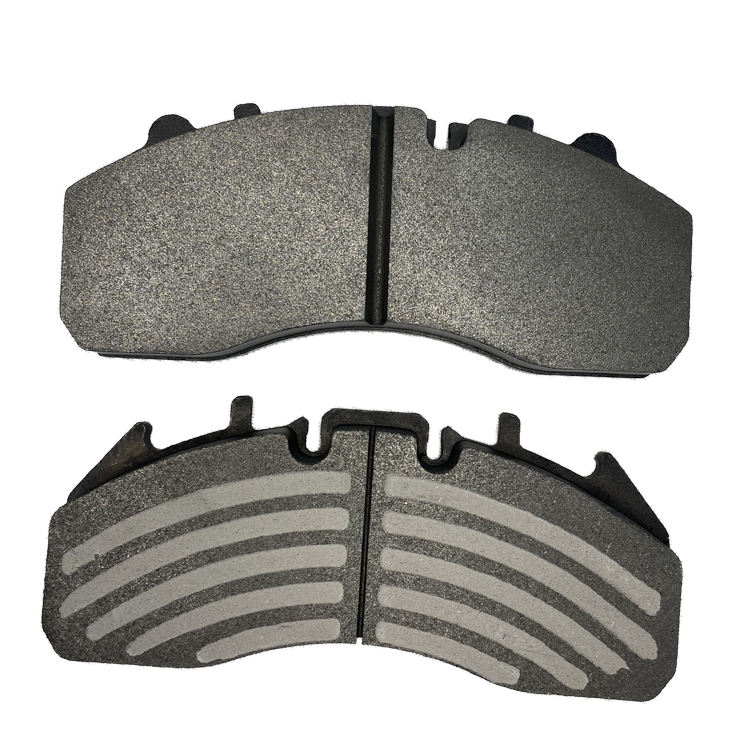
Brake pad formula is a market decision, not just a technical one. Ceramic pads are quiet and low-dust for premium passenger cars, while semi-metallic pads deliver higher friction and heat resistance for trucks and commercial vehicles. The right stock mix depends on the vehicles your buyers service.
Formula Comparison
| Formula | Best For | Trade-offs |
|---|---|---|
| Ceramic | Premium passenger cars | Quiet, low dust, higher price |
| Semi-metallic | Trucks, SUVs, commercial | High friction, more dust/noise |
| Low-metal / NAO | European passenger cars | Balanced, OE-like feel |
| Copper-free | US / EU compliance markets | Meets copper-content regulations |
Certification Is the Real Barrier to Entry
For Europe, brake pads require ECE R90 certification; for the US, FMVSS compliance. Buyers should always ask for the certificate and confirm the factory produces under IATF 16949 quality management — these documents are what separate a genuine brake manufacturer from a reseller.
Are your brake pads ECE R90 certified?
Yes, brake systems are produced under ECE R90 and IATF 16949 certified quality management.
What brake pad formulas can you supply?
Ceramic, semi-metallic, low-metallic and copper-free formulas for different vehicle classes.
Send your target references or WVA numbers and [request a quote](/contact) for factory-direct brake supply.